OKRs for Lean-AI
The course covers OKRs as a goal-setting system: how objectives and key results are written, how the quarterly cycle works, and how a cascade from portfolio level to team level operates.
- ½ day (~4 h)
- Live Online
- 9 dates
Master a single tool or hold a whole role – here is what each one teaches, how long it takes and what it costs.
One tool, properly mastered – multiple-choice exam, certificate valid for life.
The course covers OKRs as a goal-setting system: how objectives and key results are written, how the quarterly cycle works, and how a cascade from portfolio level to team level operates.
The course provides a framework for positioning an organisation along seven guiding questions: direction, leadership, flow, cadence, stability, collaboration and reach.
The course explains, without mathematics and without technical background, how a language model arrives at its answer and why false statements occur in the process.
The course covers working with coding agents: how an agent works, what it sees, and for what reasons its code can be faulty without that being apparent.
The course covers leadership in knowledge work: the view of people behind leadership decisions, situational leadership, the seven levels of delegation and the delegation board as a tool.
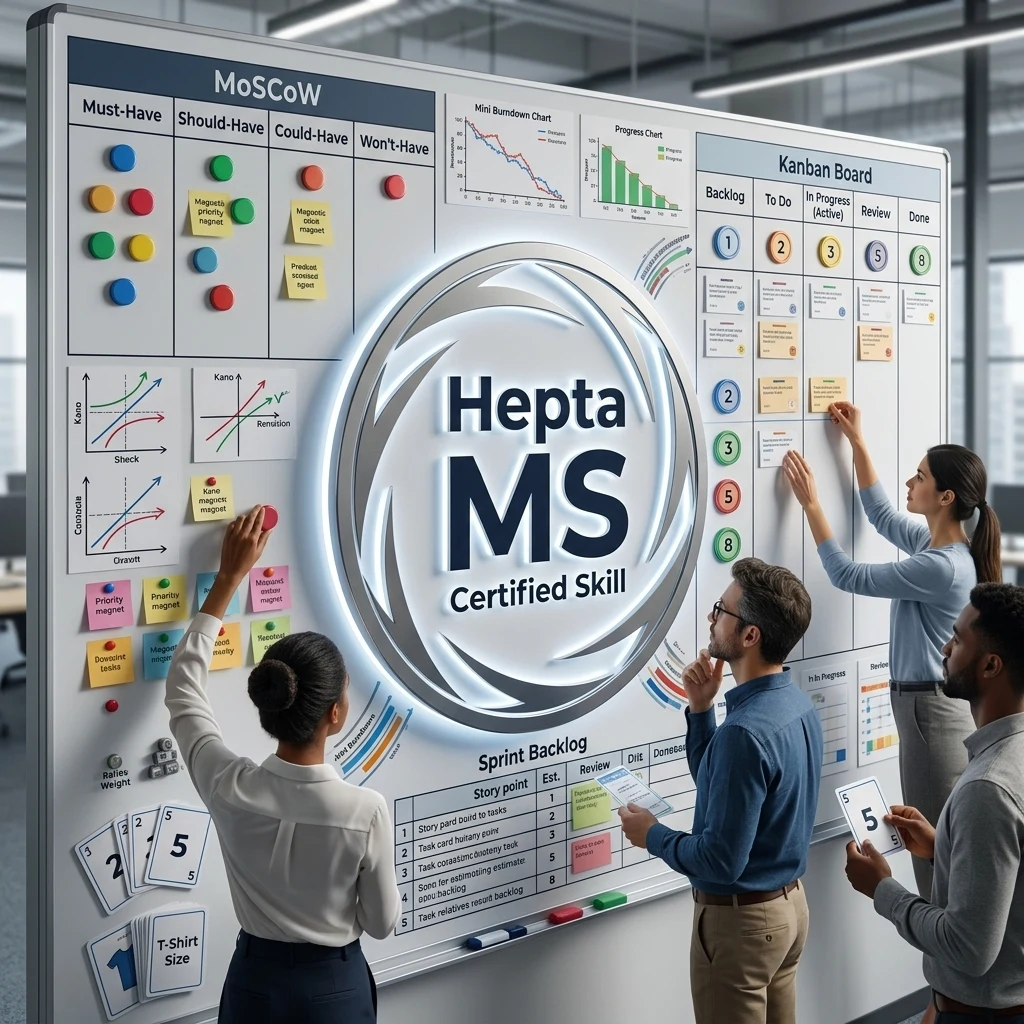
The course covers estimating, prioritising and planning, starting from the question of what the estimate is for: filling a cycle, ordering priorities, or justifying a budget.
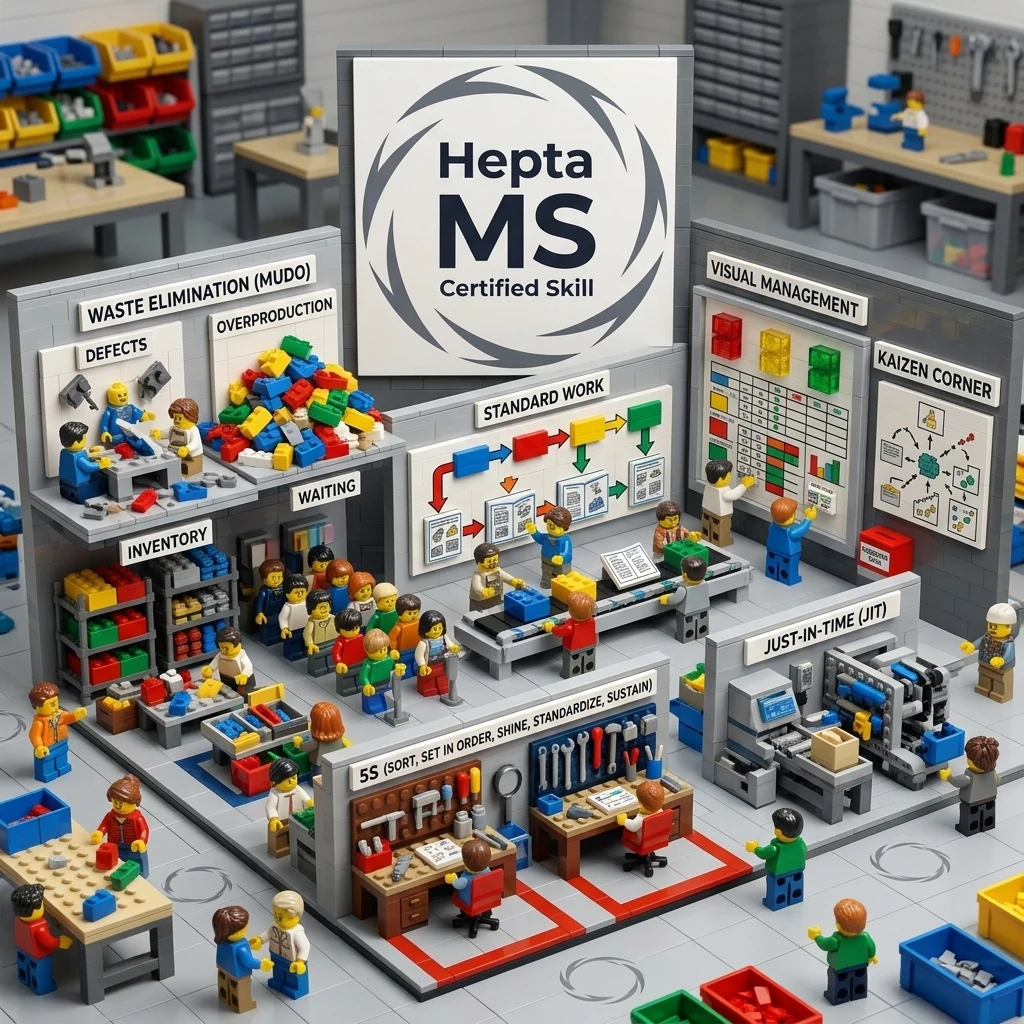
The course conveys agile principles and the mechanics of scrum through a simulation.
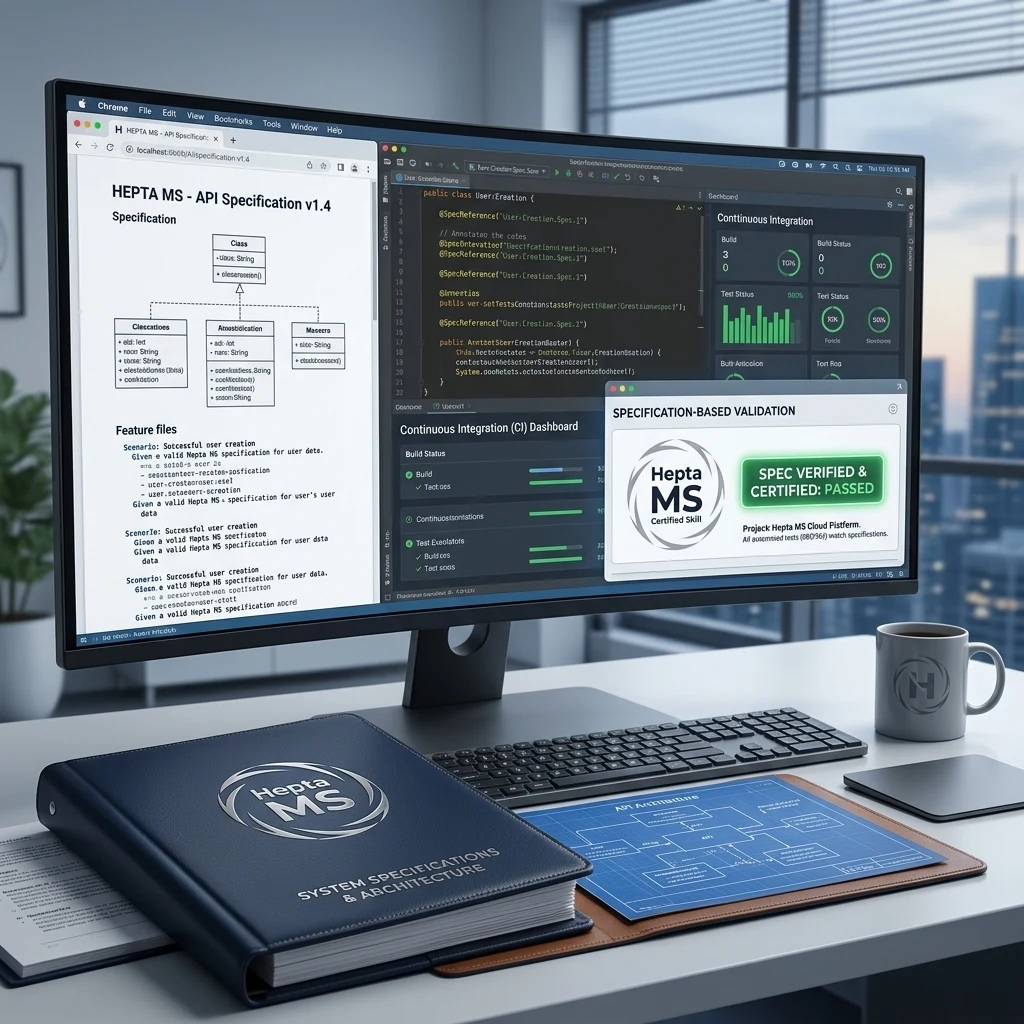
The course covers spec-driven development: the specification as the leading artefact and the path from the constitution through specification, plan and tasks to delivery by an agent.
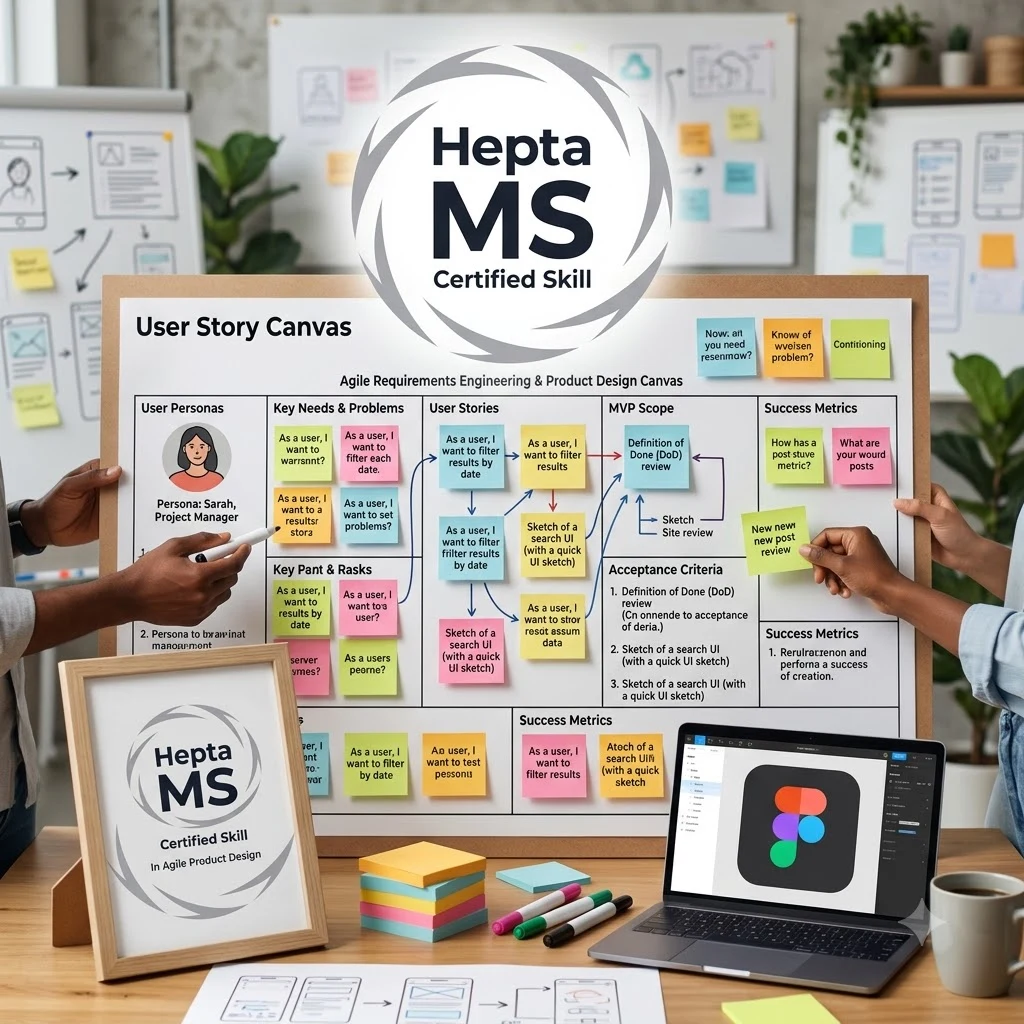
The course covers business-side requirements work in four steps: understanding need, writing requirements, cutting scope and verifying the result.
Start for free, master a single tool or certify a whole role – the path begins in the catalogue.